Hellenic Studies at CHS: Reflections from Giorgos Athanasiadis, Pre-doctoral Fellow in Hellenic Studies 2025–2026
The Center for Hellenic Studies is pleased to highlight the work of Giorgos Athanasiadis, Pre-Doctoral Fellow in Hellenic Studies 2025–2026. During his fellowship, which started on July 1, 2025, and will conclude on June 30, 2026, Giorgos explored the impact of Roman rule on the society of Thessaloniki after the conquest of Macedonia in 168 BCE. Workshops in Nafplio, program sessions in Olympia, an academic visit to the CHS in Washington, D.C., and collaborations with fellow scholars are a few of his fellowship’s highlights. In the guest post below, he reflects on his research and his experience as a CHS fellow.

The exchange of ideas and my exposure to other research projects created new perspectives for both my current work and future research initiatives.
Guest post by Giorgos Athanasiadis
In 2025 I was selected as pre-doctoral fellow at the Center for Hellenic Studies in Greece. During the fellowship, I examined the impact of Roman presence and authority on the society of Thessaloniki following the conquest of Macedonia in 168 BCE. My research focused on the ways in which Roman rule was implemented and on its effects on both public and private life. Thessaloniki provided an ideal case study, since it served as the seat of Roman administration in the province, thus its citizens had direct contact with Roman power. Epigraphic evidence demonstrates institutional changes, privileges conferred on the city by the emperors as well as the complex ways in which the local community adapted to the new regime, mainly by fostering bonds with the Roman authorities and the acquisition of the civitas Romana. This project provides the historical framework for my thesis on the prosopography and society of ancient Thessaloniki, as it sheds light on the socio-political context within which approximately 3,500 individuals attested in the sources were active.
The Annual Research Workshop in Nafplio, as well as the visit to the Center for Hellenic Studies in Washington, D.C., provided valuable opportunities to present my research and to engage in fruitful discussion with other fellows from Greece and the United States. The exchange of ideas and my exposure to other research projects created new perspectives for both my current work and future research initiatives. Particularly productive was my collaboration with fellow recipient Panagiota Bantavanou, who, in the context of her own research, studies osteological material from Thessaloniki and thus initiated me into a different type of material directly related to my work. Access to the libraries and electronic resources of Harvard University proved crucial for my research, as it enabled me to consult material not always readily available in Greece. At this point, I would also like to express my gratitude to my academic supervisor, Eleni Fassa, for our highly productive collaboration.
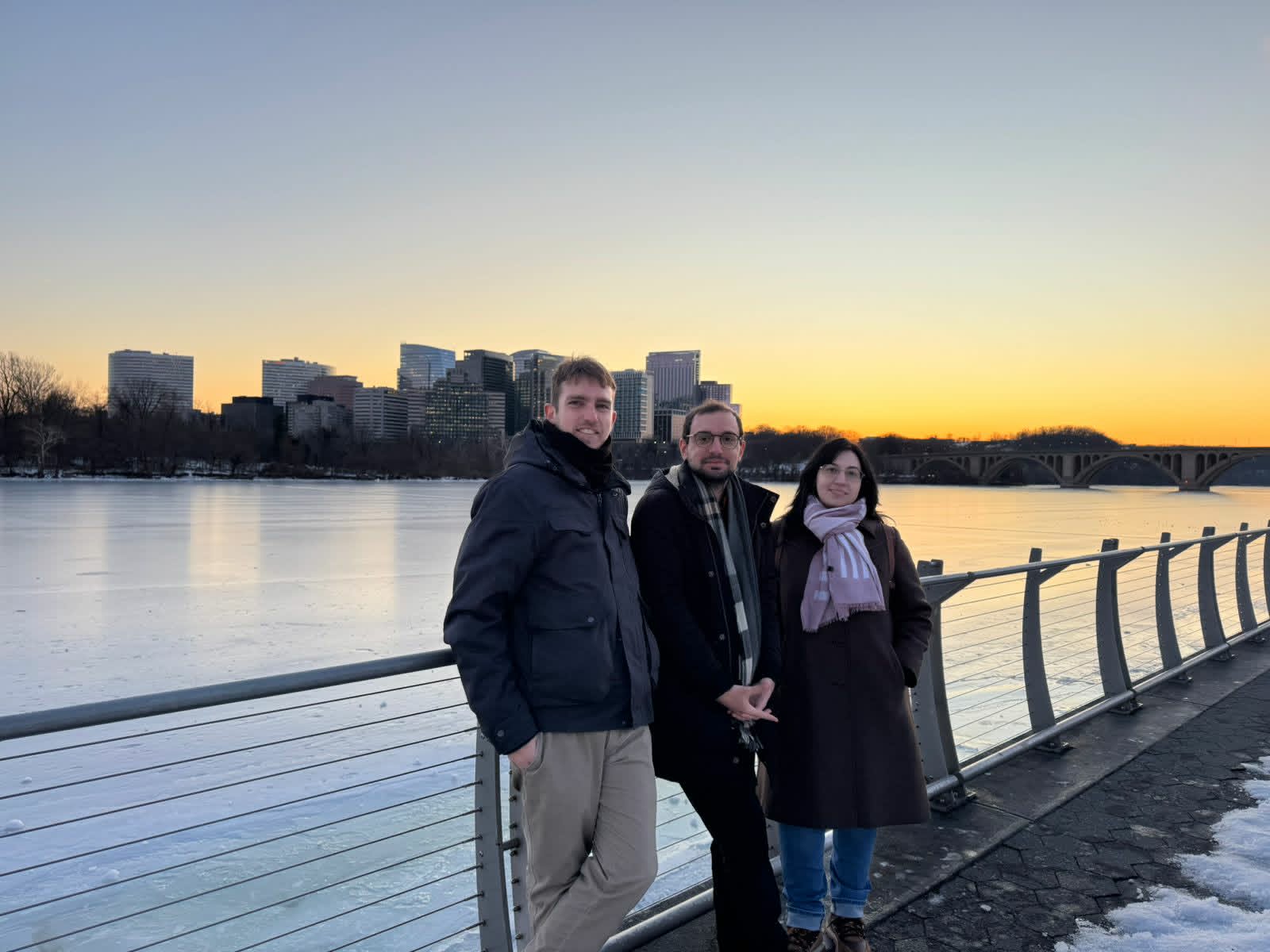
The activities carried out during the fellowship were not limited to our research. During the fellows’ meeting in Nafplio, we had the opportunity to visit museums as well as the impressive Kapsia Cave in Mantineia! The trip to the United States also offered numerous opportunities for entertainment and engagement with American culture. Visits to museums, landmarks of the U.S. capital, and a jazz pub complemented the interesting tours of research libraries and Universities in Washington. Perhaps the highlight of these visits was the Library of Congress, both for the architecture and decoration of the building and for the richness of its collections, which include even… telephone directories in which some of us discovered old telephone numbers of our relatives!
Within the framework of the fellowship, I also had the opportunity to participate in the Sport and Education Program. This was also a special experience: discussions on the ancient and modern Olympic Games and visits to the archaeological site and the museums of Ancient Olympia. Above all, the interaction with students from different academic backgrounds in Greece and the United States, especially student-athletes, gave me a whole new perspective on the connection between sports and academic achievements.
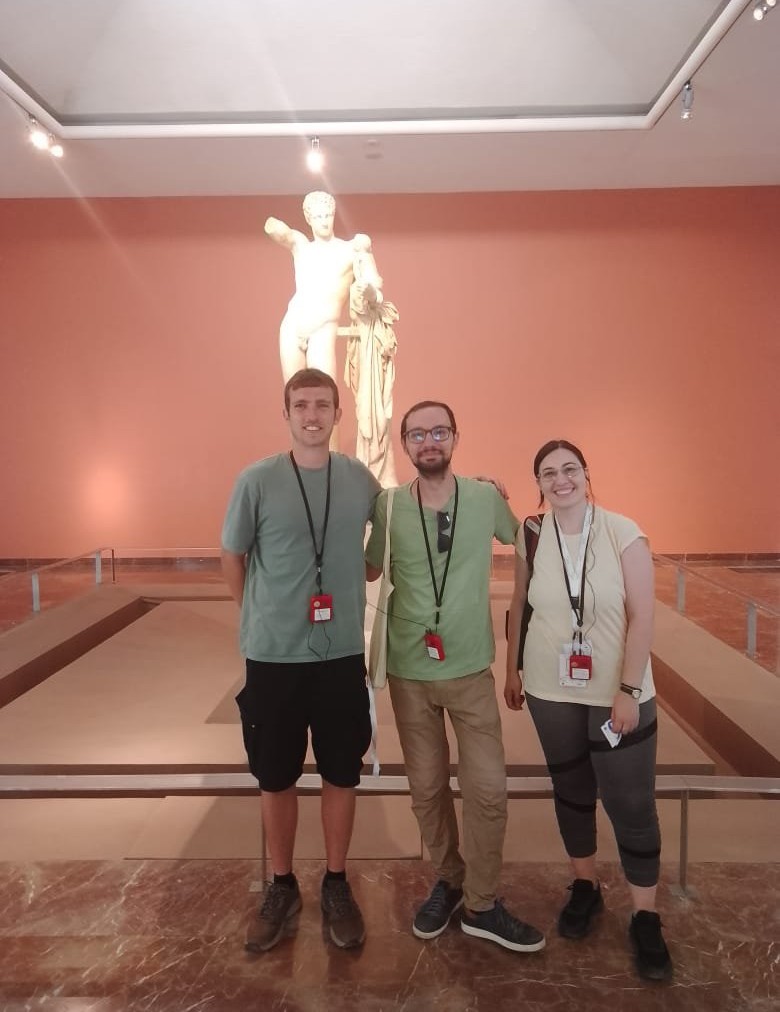
In Olympia, Nafplio, and Washington, I had the pleasure of discussing and collaborating with early-career researchers—particularly my two fellow recipients—as well as with established scholars. This interaction fostered a sense of optimism about the future of the Humanities, and especially of classical studies, at a time when they are often undervalued and underfunded even in institutions that have traditionally been leading centers in the field. Through its programs, fellowships, and collaborations with institutions worldwide, the Center for Hellenic Studies contributes significantly to the promotion of classical studies and provides essential support to (early-career) researchers.
By the end of the year, I expect to complete and defend my doctoral dissertation, while in June I will present an overview of my research at a meeting of early-career scholars. I hope that, after the conclusion of the fellowship, my ties with the CHS community will remain strong, and that I will have further opportunities to collaborate with the Center!